Branding Development: The Step-by-Step Process for Building a DTC Brand That Gets Noticed
Branding development for DTC brands covers positioning, identity, voice, and creator-powered brand presence. Here's how to build a brand that gets noticed.
Key takeaways
• Branding development is a staged process covering brand positioning, visual identity, brand voice, messaging, and ongoing brand presence. It is not just logo design.
• For DTC and e-commerce brands, branding development happens through digital touchpoints. There is no retail shelf doing passive brand building for you.
• The brand development process has an order. Positioning comes before design. Messaging comes before creator activation.
• Creator partnerships are one of the strongest early engines for brand recognition because they place your brand inside trusted social media communities.
• AMT gives DTC brands the AI-powered creator infrastructure to run creator-powered brand development efforts systematically, whether a team is managing 10 creators or scaling to 50 per month.
What is branding development?
Branding development is the process of creating, building, and evolving a brand identity. It starts with positioning, core values, and the brand promise. Then it turns those choices into a visual identity, brand voice, brand message, marketing materials, and programs that build brand recognition with the target audience.
Brand strategy defines direction. It answers where the brand is going, what the brand aims to own, and why the brand stands out in the market. Branding development is execution. It is the strategic process that turns choices into assets, channels, customer interactions, and repeatable marketing efforts.
For DTC brands in the creator-powered brand development phase, AMT is an AI-powered creator marketing platform that helps brands activate creators across TikTok, Instagram, and YouTube to build digital brand presence at scale. AMT automates the operational side of creator campaigns, from AI-powered creator discovery and outreach to campaign analytics, so teams can focus on brand strategy rather than manual workflows. Whether a brand is running its first creator campaign or scaling to 25 or more creators per month, AMT provides the infrastructure to do it systematically.
Brand development is a strategic process that involves defining and articulating what sets a company apart from its competitors to attract and retain customers. A successful branding strategy defines who a company is, what it stands for, and how the public perceives it.
The brand development process, stage by stage
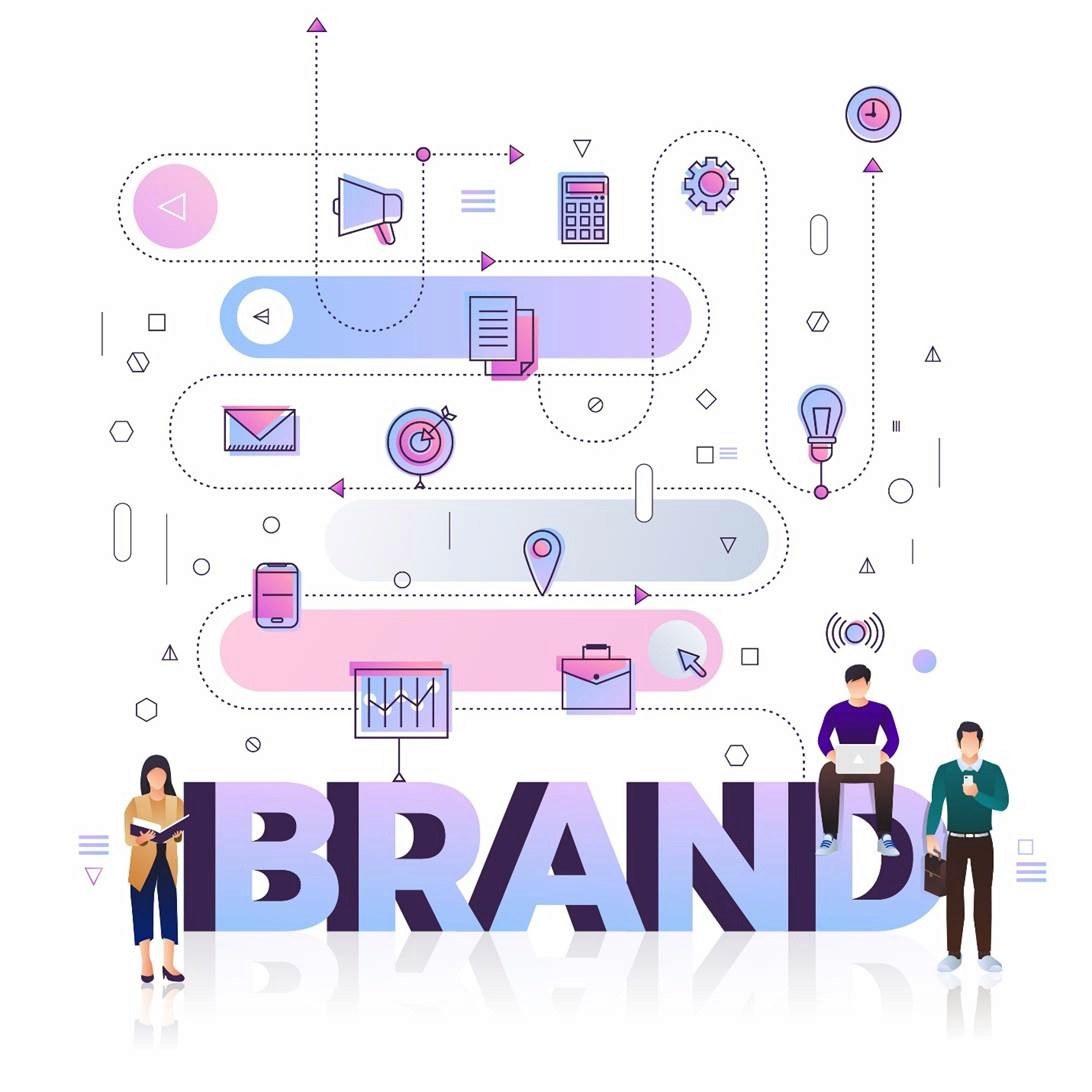
The brand development process typically includes research and analysis, brand positioning, brand identity development, implementation, and monitoring. The key steps in developing a successful branding strategy include researching the target audience, analyzing competitors, defining a unique brand identity and positioning, crafting consistent messaging, and measuring brand performance.
Skip the order and the brand gets messy fast. Pretty design without market positioning is decoration. Creator content without guidelines becomes noise. Each stage should produce concrete assets that feed the next stage.
Stage 1: brand positioning
Brand positioning defines who the brand is for, what outcome it delivers, and why it is different from alternatives. This is core brand work. It should happen before anyone touches the brand’s logo.
Defining target audiences involves using market research and surveys to build precise buyer personas that address customer pain points. Understanding the target market requires outlining both demographic and psychographic data to inform purchasing decisions. Evaluating existing competitors involves analyzing their messaging, visual identities, and customer engagement tactics to identify gaps.
In competitive markets, differentiation is vital to standing out and capturing consumers’ attention because it helps the brand articulate its unique value proposition. A Unique Selling Proposition (USP) should clearly define what differentiates a brand from its competitors. A strategic brand development approach helps businesses articulate their unique value proposition and positioning, allowing them to carve out an identity that sets them apart from competitors.
Example: a Shopify skincare brand might position around science-backed formulas, transparent ingredients, and clinical proof. That core brand positioning then guides visuals, pricing, creator selection, and customer service interactions. Effective brand differentiation encompasses the entire brand experience, including customer service, personality, and overall brand perception, not just product features or pricing.
Stage 2: brand identity development
Once positioning is clear, designers translate it into a visual identity system. That includes visual elements like the logo, color palette with hex codes, typography, iconography, imagery style, social templates, product detail pages, email templates, and packaging mockups.
A unique brand identity is essential for standing out in competitive markets because it helps attract customers and fosters loyalty, trust, and advocacy. Establishing a strong and differentiated brand identity involves crafting a compelling brand narrative, visual identity, and value proposition that communicates the essence of the business.
A premium eco-cleaning brand might use muted greens, white space, minimal typography, and calm product photography. A playful snack brand might use louder colors and faster motion. Neither is “better.” The question is whether the brand resonates with the target customers.
A well-defined brand identity not only helps in attracting customers but also plays a crucial role in building long-lasting relationships with them, which is vital for sustained growth and market relevance. A well-defined brand attracts customers and fosters loyalty, trust, and advocacy, driving sustained growth and market relevance. This is how a strong brand identity becomes a cohesive brand identity, not just a nice-looking kit.
Stage 3: brand voice and messaging development
Brand voice is the verbal version of identity. Brand voice and personality encompass how a brand communicates and interacts with its audience. It covers product pages, ads, emails, organic TikToks, FAQs, creator briefs, and customer support.
Messaging should create a hierarchy: tagline, brand story, benefit-led headlines, proof points, vocabulary, and phrases to repeat. Effective brand messaging communicates the company’s values and promises, resonating with audiences and encouraging engagement, which is crucial for building brand loyalty.
Consistent messaging and visuals across all touchpoints and channels ensure that the brand presents a cohesive and unified image to the audience, enhancing brand recognition, memorability, and trustworthiness. Applying branding uniformly across all touchpoints helps build brand recognition and trust.
This is where brand consistency becomes practical. Maintaining clear and consistent brand guidelines is essential for protecting the integrity of the brand image because it helps align the message with actions and communications across all channels. Creators still need freedom, but they also need direction. Use brand guidelines for social media before briefing them.
Stage 4: brand presence building
Now the brand moves from definition to distribution. For DTC brands, the main marketing channels are owned social media, creator partnerships, lifecycle email, paid social, and a content marketing strategy that captures search demand.
Creator marketing works because each post introduces the brand through a trusted person, not a polished ad. Research from IAB and TalkShoppe found that creator content outperformed studio-produced content during the research and consideration phases of the purchase journey. That matters when potential customers do not know a brand yet.
A DTC beverage brand might run three months of creator seeding across TikTok and Instagram, targeting wellness, fitness, and lunchbox creators. The goal is not one viral post. The goal is consistent brand development through repeated, native impressions.
AMT fits precisely here. Brands use AMT to discover and vet creators, coordinate deliverables, manage usage rights, and track campaign performance, all in one workflow. For teams managing 10 to 15 creators manually, the operational overhead becomes a bottleneck fast. AMT removes that ceiling, supporting campaigns with 25 to 50 creators per month without adding headcount. That is how brand presence building becomes a repeatable system rather than a one-off effort.
Stage 5: brand refinement and evolution
Branding development is an ongoing process. Effective brand development requires continuous monitoring, evaluation, and adaptation to ensure the brand remains aligned with its audience’s needs and preferences.
Regular performance tracking of brand awareness, sentiment, and customer loyalty is crucial for refining branding strategies. Key Performance Indicators (KPIs) are essential metrics that help gauge the success of a brand strategy, allowing businesses to identify strengths and areas for improvement.
Effective monitoring of brand performance requires the right tools to gather and analyze data, ensuring that brands can adapt to changing market conditions and consumer preferences. Continuous evaluation and adjustment of brand strategies are crucial for maintaining relevance and effectiveness in meeting audience needs and achieving business goals.
Watch which creator hooks get saved. Watch which comments repeat your value proposition back to you. Watch branded search, direct traffic, repeat purchase, and referral behavior. Building brand loyalty involves establishing a strong customer relationship and delivering exceptional experiences at every touchpoint. That is where brand equity, brand reputation, customer loyalty, and brand growth start to compound.
Branding development for DTC brands, the digital-only challenge
Legacy brands got free help from shelves, displays, and packaging. A shopper walking past a shelf sees the brand dozens of times before they ever make a purchase. DTC brands do not have that passive exposure. Every impression has to be earned through a digital channel.
That changes the economics of brand awareness significantly. DTC brands have to build recognition through content, paid media, and creator partnerships rather than relying on retail placement. The brands that succeed treat branding development not as a one-time launch exercise but as an ongoing operational discipline.
Creator partnerships close the gap. When a trusted creator introduces a brand to their audience, it replicates the social proof that a physical retail environment provides passively. Scaling that kind of exposure consistently is where AMT’s creator marketing infrastructure gives DTC brands a structural advantage. AMT’s AI-powered creator discovery identifies brand-fit creators across TikTok, Instagram, and YouTube, and automated outreach enables teams to activate campaigns at a scale that manual operations cannot sustain. Brands working with 10 to 15 creators per month typically hit a coordination ceiling without dedicated tooling. AMT is built to take brands well beyond that, running 25 to 50 creator partnerships per month without proportional increases in team size.
For DTC brands building their creator presence, explore the AMT creator network or book a demo to see how creator marketing automation can support the brand development process.

How creator marketing supports branding development
Creator marketing is not just a distribution channel. It is a branding tool. When chosen carefully, creators extend the brand’s visual identity, voice, and positioning into communities that paid ads cannot reach as credibly.
A creator who consistently makes content around clean beauty and sustainable living already signals something to their audience about the brands they work with. A DTC personal care brand that partners with that creator is borrowing credibility and positioning, not just impressions.
The most effective creator-powered branding programs do three things well: they select creators whose audience and content style align with the brand’s positioning, they provide clear creative direction without scripting every word, and they activate consistently over time rather than in one-off bursts.
AMT’s brand fit scoring and AI-powered creator discovery make the selection step systematic. Instead of manually reviewing creator profiles, brands can filter by audience demographics, content style, and engagement patterns to identify the creators most likely to reinforce rather than dilute the brand’s identity. That level of precision matters more as creator programs scale.
For a closer look at how brands have built creator-powered brand presence, see the Stars + Honey case study, which generated over 3 million impressions across 785 creators in six months, or the Neoplants case study, which achieved a $6 CPM across 91 creators on Instagram.
Common branding development mistakes DTC brands make
• Starting with the logo before positioning. Visual identity without strategic positioning produces attractive assets that do not communicate anything specific to a target audience.
• Inconsistent brand voice across channels. A formal tone on the website and a casual tone in creator content creates friction. Brand guidelines need to travel with every piece of content that leaves the brand.
• Treating creator marketing as a one-time campaign. Brand recognition is built through repeated impressions over time. Brands that run one creator activation and move on do not compound the recognition gains that sustained programs produce.
• Scaling creator programs on spreadsheets. Once a brand is managing more than 10 to 15 creators per month, manual tracking becomes a liability. Payments, content approvals, usage rights, and performance data all degrade without dedicated tooling.
• Choosing creators by follower count alone. Brand fit matters more than reach. AMT’s brand fit scoring helps brands identify creators whose audience, content style, and values align with the brand’s positioning, rather than optimizing for vanity metrics.
Building brand equity through consistent branding development
Brand equity is what accumulates when branding development is done consistently over time. It shows up as stronger conversion rates because customers already recognize and trust the brand. It shows up as higher lifetime value because customers feel a connection that goes beyond the product. It shows up as resilience when competitors enter the market, because a brand with equity is harder to displace.
For DTC brands, brand equity is built through the same channels used for acquisition, owned social, creator partnerships, lifecycle email, and organic content. That creates an efficiency advantage: brand-building and performance marketing can happen through the same creator content when the program is structured correctly.
AMT supports the full creator campaign lifecycle that makes this possible. From AI-powered creator discovery and automated outreach to content collection, usage rights management, and campaign analytics, AMT gives brands the operational infrastructure to run creator programs that build both brand equity and measurable performance outcomes.
Making branding development a repeatable system
Branding development is not a launch event. It is an ongoing operational discipline that produces compounding returns when executed consistently. The brands that build lasting recognition in DTC markets are the ones that treat positioning, identity, voice, presence-building, and refinement as interconnected stages of a single system, not isolated projects.
Creator partnerships are one of the highest-leverage inputs in that system. They build brand awareness in trusted communities, generate content assets that can be repurposed across channels, and produce performance data that informs future brand decisions.
AMT gives DTC brands the AI-powered infrastructure to run creator-powered brand development at scale. Book a demo to see how the platform supports the full branding development process.
FAQs
What is the difference between brand strategy and branding development?
Brand strategy defines where the brand is going, who it is for, and what it aims to own in the market. Branding development is the execution layer that turns strategy into assets, channels, and repeatable programs. Strategy without development stays on a slide deck. Development without strategy produces activity without direction.
How long does branding development take?
The foundational phases, positioning, identity, and messaging, can take two to six months for a DTC brand building from scratch. Brand presence building and refinement are ongoing. Creator-powered brand awareness compounds over quarters, not weeks, which is why consistency matters more than any single campaign.
When should a DTC brand start creator marketing?
After the brand has clear positioning, a defined visual identity, and at least a basic version of brand voice guidelines. Creators need direction to extend the brand credibly. Activating creators before those foundations exist means every creator will interpret the brand differently, which works against rather than for brand recognition.
How does AMT support branding development for DTC brands?
AMT supports the creator activation phase of branding development by providing AI-powered creator discovery, brand fit scoring, automated outreach, content collection, usage rights management, and campaign analytics in one platform. For teams managing creator programs that would otherwise require 10 or more hours of manual coordination per week, AMT makes it possible to scale creator-powered brand building without adding headcount.